How blood sugar works: it's mostly how much you eat
On this page
Your blood sugar after a meal comes down mostly to one thing: how much sugar and starch you just ate. Twice the rice makes about twice the hill. Everything else people argue about (the type of bread, fruit or no fruit, eating order, a walk after dinner, a bad night’s sleep) changes how fast that sugar gets into your blood and how fast your muscles pull it back out. Those things count, but they’re the second chapter. The first chapter is the amount.
This guide is here so you can understand your numbers, do what you can on your own, and walk into a conversation with your doctor knowing your options. It isn’t medical advice, and it doesn’t diagnose anything.

What we’d do
Watch the amount first: smaller piles of rice, bread, pasta and potatoes, and no sugary drinks. Then slow what’s left: protein and vegetables first, some fat on the plate, whole foods over flour and juice, and a 10-minute walk after eating. Protect your sleep. And get a lab A1c and fasting glucose, because those two numbers, not a sensor’s spikes, tell you where you stand.
If you remember three things
- The hill follows the amount. A cup of white rice carries about 44 g of carbs you digest, more than the 39 g of sugar in a can of cola, and makes a bigger hill.
- Speed comes second. Eating the protein and vegetables first lowered the peak by more than 40% in one trial, and a 10-minute walk after dinner made the rise 22% smaller in another.
- The numbers that decide your risk are cheap and boring. A fasting 100 mg/dL or an A1c of 5.7% is already the prediabetes range, and 8 in 10 people in it don’t know.
Why blood sugar feels so complicated
Ten years ago mostly people with diabetes checked their blood sugar. Now anyone can stick a sensor on their arm, and feeds are full of spike charts, “glucose friendly” snacks and rules about which bite to eat first. Every food seems to have a hidden effect, and the rules contradict each other. A banana is bad, then fine. Pasta is poison, then it’s low GI.
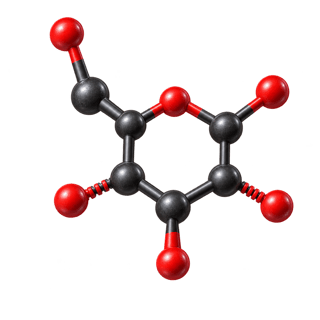
Most of it gets simple once you follow the food. Starch is glucose molecules linked in long chains. Sugar is glucose and fructose already loose. Your gut cuts the chains, passes the glucose into your blood, and your liver and muscles pull it back out. So the hill depends on two things: how much glucose arrives, and how fast.
It’s mostly how much
Scientists put both of those into one number, the glycemic load. It’s a food’s glycemic index (how fast its carbs reach your blood, against pure glucose) times the grams of carbs you digest in the serving, divided by 100. Across the 248 meals in our meal index, the carbs run from zero to about 200 g a meal, while most GIs sit between about 40 and 80. So the amount swings the load far more than the type does.
- 2 cups white rice peaks near 144 mg/dL (8.0 mmol/L) at 40 minutes and is 102 at two hours, with 23 minutes over 140.
- 1 cup white rice peaks near 117 mg/dL (6.5 mmol/L) at 40 minutes and is 96 at two hours.
- 1/2 cup white rice peaks near 103 mg/dL (5.7 mmol/L) at 40 minutes and is 93 at two hours.
A teaching model built from published averages for a healthy adult, not a prediction for you. People eating the same meal can differ a lot. How the model works
That’s why the top of our list of 100 meals that raise blood sugar most is takeout combos, big rice plates, pancakes with juice and fountain sodas, and why the 100 meals that keep it steady are mostly protein, vegetables, beans and small portions of slow carbs. A 32 oz cola holds about 100 g of sugar. A cup of lentil soup holds about 14 g of carbs you digest.
How a meal becomes blood sugar, in one picture
-
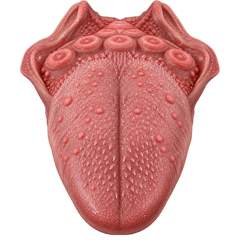 Mouth Saliva starts cutting starch.
-
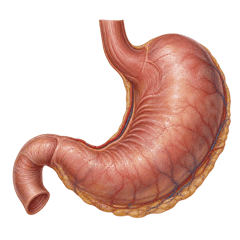 Stomach Mixes it and lets it out slowly.
-
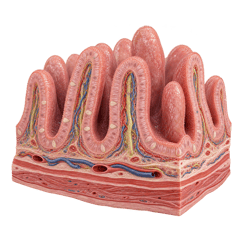 Small intestine Starch becomes glucose and enters the blood.
-
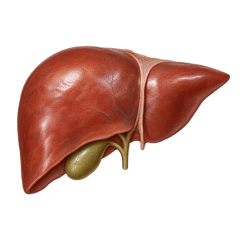 Liver Takes 30 to 40% of an oral glucose load.
-
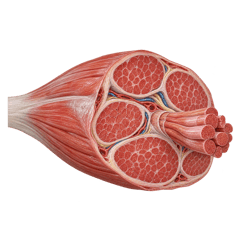 Muscle Takes about 80% of what insulin moves.
All the sugar in your blood right now is about 4 grams, one teaspoon, in a 154 pound adult. A can of cola has 39. So after a meal your body can’t hold the sugar in the blood. It has to move it out almost as fast as it comes in, and the hill is the small gap between arriving and leaving. Your liver keeps a share, and of the sugar insulin moves, about 80% goes into muscle.
Every stop is told food by food in what happens when you eat, from pasta and a soda to white rice, fruit, broccoli and a sandwich. You can also watch it in the simulator, which runs any meal from the index through the same route at up to 100 times real speed. The deeper version is where blood sugar comes from and where it goes.
Then the speed
Once the amount is set, six things change how fast the sugar arrives and leaves. Each one has its own trial or test, and each works on its own outcome, so they can’t be added up.
Fiber, fat and protein on the plate. Proteins, fats and fibers all change how fast the stomach empties, so a plate with chicken, olive oil and vegetables lets its starch out slowly. Potatoes show it in the GI tables: boiled potato scores 78, french fries 63 and potato chips 56. More in pasta with olive oil and vegetables.
The order you eat in. In 15 adults with prediabetes, the same meal with the protein and vegetables first and the carbs 10 minutes later had a peak more than 40% lower than carbs first. See rice first or protein first?
A walk after. Working muscle pulls sugar in without waiting for insulin. Ten-minute walks after each meal made the rise 12% smaller than one 30-minute walk a day, and 22% smaller after dinner. More in why moving your muscles lowers it.
Sleep. A week of 5-hour nights made 20 healthy men 11% less sensitive to insulin. Same meal, slower clearing. More in sleep, late dinners and the morning rise.
The food’s structure. Whole wheat bread (74) and white bread (75) score the same, while a bread with whole grains you can see scores 53. Pasta, made from much the same wheat, scores 49, and the same spaghetti scored 59 boiled for 11 minutes and 65 boiled for 16 and a half. Cooked white rice that was chilled and reheated scored 54 against 73. Whole and blended fruit made the same hill in one study, but juice is easy to overdo, and over years whole fruit went with less diabetes and juice with more.
You. In 800 people eating the same meals, the hills came out very different. A sensor for a week or two shows your own.
Where do your numbers stand?
Single hills after meals are normal. Healthy people’s sensors go over 140 mg/dL for about half an hour a day. The numbers that tell you where you stand come from a lab, and these are the US lines from the American Diabetes Association’s 2026 standards.
Fasting under 100 mg/dL (5.6 mmol/L), under 140 (7.8) two hours after the lab’s glucose drink, and an A1c under 5.7% (39 mmol/mol) are normal. A diagnosis needs two abnormal results unless the number is well into the diabetes range, and only a lab test counts. Put any number into the checker, convert an A1c on what does my A1c mean?, or print the blood sugar chart.
From hills to type 2 diabetes
Hills aren’t the disease. Type 2 diabetes is what happens when your muscles and liver stop answering insulin well (insulin resistance) and your pancreas, after years of making extra, can’t keep up. In a British study of 6,538 adults, insulin sensitivity fell steeply for 5 years before diagnosis, and fasting sugar only climbed steeply in the last 3.
That slow stretch is huge. 115.2 million American adults have prediabetes, more than 2 in 5, and 8 in 10 of them don’t know it. It usually has no symptoms, which is why the early signs of prediabetes are mostly numbers. The whole path is in what type 2 diabetes really is and how insulin resistance builds.
It also goes back. In the Diabetes Prevention Program, 3,234 American adults with raised blood sugar who lost weight and walked 150 minutes a week had 58% fewer new cases of diabetes over 2.8 years than placebo. The plan as the trial ran it is in how do I reverse prediabetes?, with the plan calculator. The size of each habit on its own is in the habits that cut your type 2 risk, and type 2 itself can go into remission for some people, which is in can type 2 diabetes be reversed?
Lifestyle isn’t always enough, and that’s fine. Can I manage it with lifestyle, or do I need more help? sets out what the trials and the ADA’s 2026 standards say for each stage, including who should start medicine right away, and diabetes medicines: the case for and against gives you the questions to take to your doctor.
What about the spikes on a sensor?
A sensor is good for comparing your own meals, and it runs higher than your blood. It can’t diagnose anything, and nobody has shown that flattening normal hills helps people without diabetes. The full picture is in what a CGM is and how to get one, what it can tell you and what it can’t and why glucose isn’t the only number to track. To check your own sensor’s numbers against healthy people, use is my sensor running high?
The tools
- Is my blood sugar normal? Any fasting, after-meal, A1c or sensor number, its band in both units and the next step.
- What does my A1c mean? A1c to average glucose and back, with the A1c chart.
- The prediabetes plan: your weight target, minutes and retest date.
- The simulator: watch a meal become blood sugar.
- The meal index: 248 meals ranked, with the sources behind each.
- Flatten the hill: one plate, three switches.
- Which spikes more? Ten rounds of two foods.
- Is my sensor running high?
- Could I have prediabetes? Eight taps, scored like the CDC’s risk test.
The rest of the guide
- Where blood sugar comes from and where it goes. The teaspoon, the liver, insulin and muscle.
- Why meals make hills. Starch, the GI and what makes a hill smaller.
- What your numbers mean. Fasting, 2-hour, A1c and any-time numbers in both units.
- How insulin resistance builds. What it is, why it’s bad and how to stop it.
- What type 2 diabetes really is. The road from normal to diabetes, with the numbers.
- What lowers blood sugar, ranked. Each change at its trial’s size.
- The habits that cut your type 2 risk. Walking, meals, fasting, weight and sleep.
- Why moving your muscles lowers it. Muscle pulls sugar in without insulin.
- Sleep, late dinners and the morning rise. The liver’s early breakfast and the 10 pm dinner.
- Can I manage it with lifestyle, or do I need more help? What each stage calls for.
- Diabetes medicines: the case for and against. Metformin, the newer drugs and what to ask.
- Can type 2 diabetes be reversed? What remission means and who gets there.
- How to measure it. Lab, finger stick, sensor or home kit.
- When to see a doctor or get help now. Book a test, call today or call 911.
When does a number belong with a doctor?
A lab number in the diabetes range means a second test this week. 200 mg/dL or more with strong thirst, peeing a lot, blurry vision or weight loss you didn’t try for means calling your doctor today. Staying at 300 or more with vomiting, fruity breath or hard breathing means the ER or 911. If you take insulin, a sulfonylurea or a GLP-1 drug, your targets come from your prescriber, and in pregnancy the numbers are tighter, so take any blood sugar number to your midwife or doctor. The full list is on when to see a doctor.
The simple plan
If you’re a normal, healthy-ish adult who wants to keep your blood sugar in good shape, this is all of it, in order.
- Know where you stand. Get a lab A1c and fasting glucose from age 35, or sooner if you carry extra weight and have another risk factor. Normal is under 5.7% and under 100 mg/dL. If you’re normal, test every 3 years, and every year once you’re in the prediabetes range. Not sure? Could I have prediabetes? takes two minutes.
- Watch the amount. Keep piles of rice, bread, pasta and potatoes to about a cup, and drop sugary drinks first. The 100 meals that raise blood sugar most shows where the big loads hide.
- Slow what’s left. Eat protein and vegetables first and the starch last, keep some fat on the plate, and pick whole foods over flour and juice.
- Walk after meals. Ten minutes soon after each meal is 30 a day, which reaches the 150 minutes a week the big trial asked for by day five.
- Lose a little, if you carry extra. 5 to 7% of your weight did more than anything else in the biggest prevention trial. The plan calculator works out your target.
- Sleep. A week of short nights made healthy men 11% less sensitive to insulin.
- Track the few numbers that tell you something. Your A1c over the years, your weight, and, if you’re curious, two weeks on a sensor to see how your own meals behave. In Gyroscope, photograph your lab report or order the home blood test (US and Canada, not New York), and your A1c and fasting insulin are graded and trended across years. With Gyroscope One, your glucose curve lines up with every meal, walk and night. More on tracking it in Gyroscope.
- Retest, and bring your doctor in. If you’re in the prediabetes range, retest at the same lab 12 weeks after you start. If a number lands in the diabetes range, book a second test and see your doctor, since the guidelines call for more than lifestyle at that point.
19 sources
- Wasserman DH, Four grams of glucose, American Journal of Physiology Endocrinology and Metabolism, 2009pmc.ncbi.nlm.nih.gov
- Harvard T.H. Chan School of Public Health, The Nutrition Source, Added sugar in the dietnutritionsource.hsph.harvard.edu
- Atkinson FS, Foster-Powell K and Brand-Miller JC, International tables of glycemic index and glycemic load values, Diabetes Care, 2008pmc.ncbi.nlm.nih.gov
- US Department of Agriculture, Agricultural Research Service, Nutritive Value of Foods, Home and Garden Bulletin 72, 2002ars.usda.gov
- University of Sydney, GI Database: white rice refrigerated and reheated (India, 1998), spaghetti boiled 11 and 16.5 minutes (France, 1988), accessed November 15, 2026glycemicindex.com
- DeFronzo RA and Tripathy D, Skeletal muscle insulin resistance is the primary defect in type 2 diabetes, Diabetes Care, 2009pmc.ncbi.nlm.nih.gov
- National Institute of Diabetes and Digestive and Kidney Diseases, Your digestive system and how it worksniddk.nih.gov
- Gentinetta S and others, Dietary recommendations for the management of gastrointestinal symptoms in patients treated with GLP-1 receptor agonist, Diabetes, Metabolic Syndrome and Obesity, 2024pmc.ncbi.nlm.nih.gov
- Shukla AP and others, The impact of food order on postprandial glycaemic excursions in prediabetes, Diabetes, Obesity and Metabolism, 2019pubmed.ncbi.nlm.nih.gov
- Reynolds AN and others, Advice to walk after meals is more effective for lowering postprandial glycaemia in type 2 diabetes than advice that does not specify timing, Diabetologia, 2016pubmed.ncbi.nlm.nih.gov
- Buxton OM and others, Sleep restriction for 1 week reduces insulin sensitivity in healthy men, Diabetes, 2010pubmed.ncbi.nlm.nih.gov
- Hutchins KM and others, Continuous glucose monitor overestimates glycemia, with the magnitude of bias varying by postprandial test and individual, American Journal of Clinical Nutrition, 2025pmc.ncbi.nlm.nih.gov
- Muraki I and others, Fruit consumption and risk of type 2 diabetes: results from three prospective longitudinal cohort studies, BMJ, 2013pmc.ncbi.nlm.nih.gov
- Zeevi D and others, Personalized nutrition by prediction of glycemic responses, Cell, 2015pubmed.ncbi.nlm.nih.gov
- Shah VN and others, Continuous glucose monitoring profiles in healthy nondiabetic participants, Journal of Clinical Endocrinology and Metabolism, 2019pmc.ncbi.nlm.nih.gov
- CDC, Prediabetes: could it be you? Updated February 17, 2026cdc.gov
- American Diabetes Association, Standards of Care in Diabetes 2026, section 2, Diagnosis and Classification of Diabetespmc.ncbi.nlm.nih.gov
- Knowler WC and others, Reduction in the incidence of type 2 diabetes with lifestyle intervention or metformin, New England Journal of Medicine, 2002pmc.ncbi.nlm.nih.gov
- Tabák AG and others, Trajectories of glycaemia, insulin sensitivity, and insulin secretion before diagnosis of type 2 diabetes (Whitehall II), The Lancet, 2009pubmed.ncbi.nlm.nih.gov