Does eating sugar cause diabetes?
Short answerNot the way you think
On this page
Not directly. Type 2 diabetes comes from insulin resistance and a pancreas that can’t keep up, and extra weight is the biggest driver of both. Sugar adds to that mostly through calories. But sugary drinks carry extra risk on their own. Each daily serving went with 13% more type 2 diabetes, even after adjusting for bodyfat.
What we’d do
Cut sugary drinks first, all of them, including soda, sweet tea, energy drinks, sweetened coffee drinks and juice. Swap in water or sparkling water. After that, don’t obsess over sugar as a single villain. A dessert after dinner is fine, and fruit is fine. Put your effort into your weight, your walking and your sleep, which move your risk far more than whether a meal had a spoon of sugar in it.
If you remember three things
- Weight is the main road to type 2. Each kilogram lost went with 16% lower risk in the biggest trial.
- Sugary drinks are the exception. They went with more diabetes even in people of the same bodyfat.
- Whole fruit has sugar and went with less diabetes. The package counts as much as the sugar.
Why do people think sugar causes diabetes?
People called it “sugar diabetes” for generations. Diabetes is a disease of high blood sugar, and eating sugar raises blood sugar, so the link seems obvious. Every family has someone who was told to stop eating sweets after a diagnosis.
The other half of the confusion runs the opposite way. Some people hear that diabetes is about weight and decide sugar doesn’t matter at all. Both are partly wrong.
Type 1 diabetes isn’t caused by sugar or by anything you ate. The ADA classifies it as an autoimmune disease, where the body destroys its own insulin-making cells. Type 2 is the common kind, and the one people can change.
What actually causes type 2 diabetes?
Type 2 builds slowly. Muscle, liver and fat stop answering insulin well, the pancreas makes more insulin to compensate, and after years it can’t keep up. In the Whitehall II study, insulin sensitivity fell steeply over the 5 years before diagnosis, while blood sugar barely moved until the last 3.
Extra weight is the biggest driver. In the Diabetes Prevention Program, which cut new diabetes by 58%, weight lost was the main thing that predicted who stayed free of it. Each kilogram lost went with 16% lower risk, even after adjusting for changes in diet and activity. The program’s diet was low in fat, and sugar wasn’t singled out.
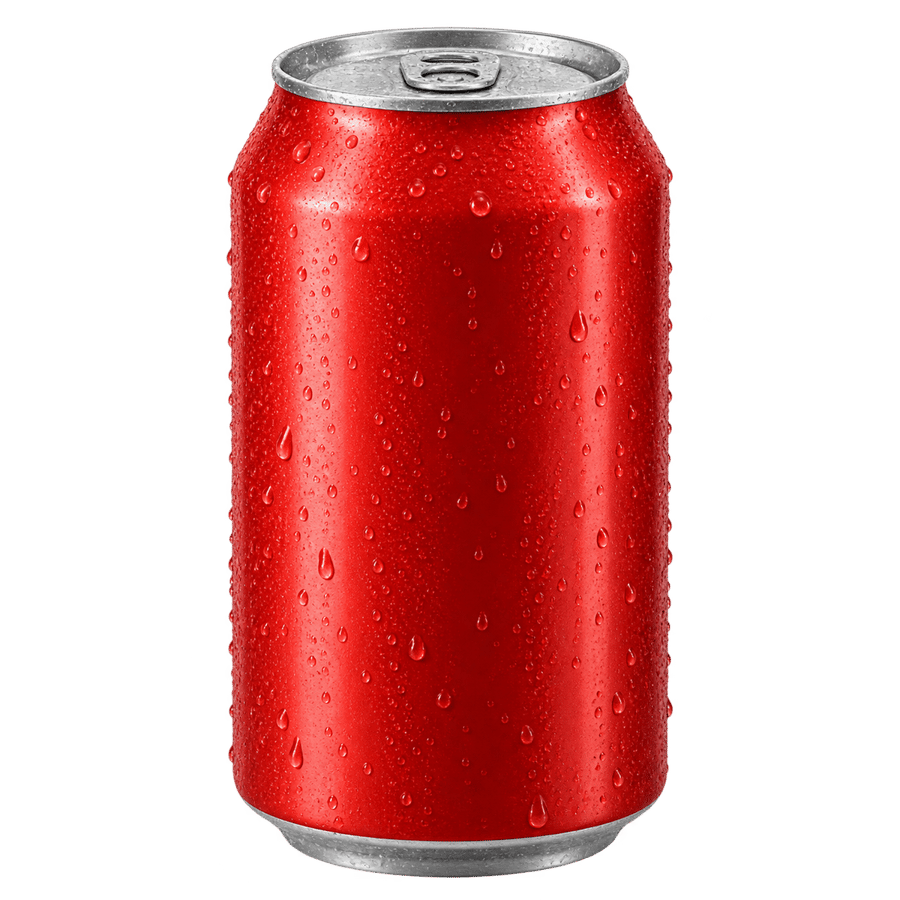
Sugar fits into that picture as calories. A 12-ounce can of cola has 39 grams of sugar, almost 10 teaspoons. One a day for a year adds up to about 14 kilograms (31 pounds) of sugar.
Are sugary drinks worse than other sugar?
They look that way. In 2015, researchers pooled 17 studies that followed people for years and recorded 38,253 new cases of type 2 diabetes. Each daily serving of a sugary drink went with 18% more diabetes. After adjusting for bodyfat, it was still 13% more. So the drinks seemed to raise risk beyond the weight they add.
Diet drinks went with 25% more diabetes before adjusting for bodyfat, and only 8% after, and the authors found signs that this result was biased, probably because people who are already gaining weight or at risk switch to diet drinks. Fruit juice went with 7% more after adjusting.
The same pattern shows up with fruit. In 187,382 American health professionals followed for years, eating more whole fruit went with slightly less type 2 diabetes, and blueberries, grapes and apples went with clearly less. Fruit juice went with more. Swapping juice for the same amount of whole fruit went with 5% lower risk. The sugar in an apple and in apple juice is much the same. The likely difference is everything around it, like the fiber, the chewing and how fast you can take it in.
The best case for blaming sugar
Sugar is special
The drink link survives adjusting for weight. If sugar only worked through calories, adjusting for bodyfat should have made the 13% disappear.
Juice raises risk and fruit lowers it. Same sugar, different form, opposite direction.
Calories and weight do most of it
These are observational studies. People who drink a lot of soda differ from people who don’t in many ways, and the diet drink result shows how big that kind of bias can be.
The trial that worked didn’t single out sugar. The Diabetes Prevention Program cut new diabetes 58% with weight loss and walking on a low-fat diet.
We think both are partly right, and they point at the same thing to do. Liquid sugar is the form with the strongest link and no upside, so it goes first. Sugar in solid food, eaten with a meal, matters mostly as calories.
What should you do with sugar, then?
Cut the drinks to zero or close to it. If the choice is a regular soda or a diet one, take the diet one, and work toward water. Keep fruit whole. Have dessert after a meal rather than as a snack on its own, since the rest of the meal makes the hill smaller. And treat honey, agave and “natural” sugars as sugar, since on the glycemic index honey scores 61 and table sugar 65.
If you’ve been told you have prediabetes, sugar is one small part of the plan. Weight, walking and the 12-week retest are the big parts. bodyfat.guide covers the weight side in does sugar make you fat.
8 sources
- Imamura F and others, Consumption of sugar sweetened beverages, artificially sweetened beverages, and fruit juice and incidence of type 2 diabetes, BMJ, 2015pmc.ncbi.nlm.nih.gov
- Hamman RF and others, Effect of weight loss with lifestyle intervention on risk of diabetes, Diabetes Care, 2006pubmed.ncbi.nlm.nih.gov
- Knowler WC and others, Reduction in the incidence of type 2 diabetes with lifestyle intervention or metformin, New England Journal of Medicine, 2002pmc.ncbi.nlm.nih.gov
- Muraki I and others, Fruit consumption and risk of type 2 diabetes: results from three prospective longitudinal cohort studies, BMJ, 2013, with correctionpmc.ncbi.nlm.nih.gov
- Harvard T.H. Chan School of Public Health, The Nutrition Source, Added sugar in the dietnutritionsource.hsph.harvard.edu
- American Diabetes Association, Standards of Care in Diabetes 2026, section 2, Diagnosis and Classification of Diabetespmc.ncbi.nlm.nih.gov
- Tabák AG and others, Trajectories of glycaemia, insulin sensitivity, and insulin secretion before diagnosis of type 2 diabetes (Whitehall II), The Lancet, 2009pubmed.ncbi.nlm.nih.gov
- Atkinson FS, Foster-Powell K and Brand-Miller JC, International tables of glycemic index and glycemic load values 2008, Diabetes Care, 2008pmc.ncbi.nlm.nih.gov