
Why is my blood sugar high in the morning?
On this page
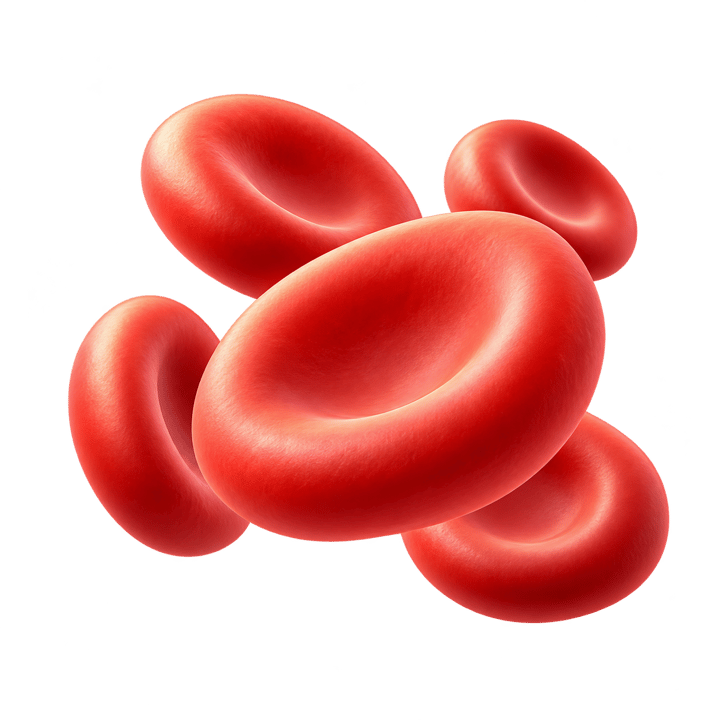
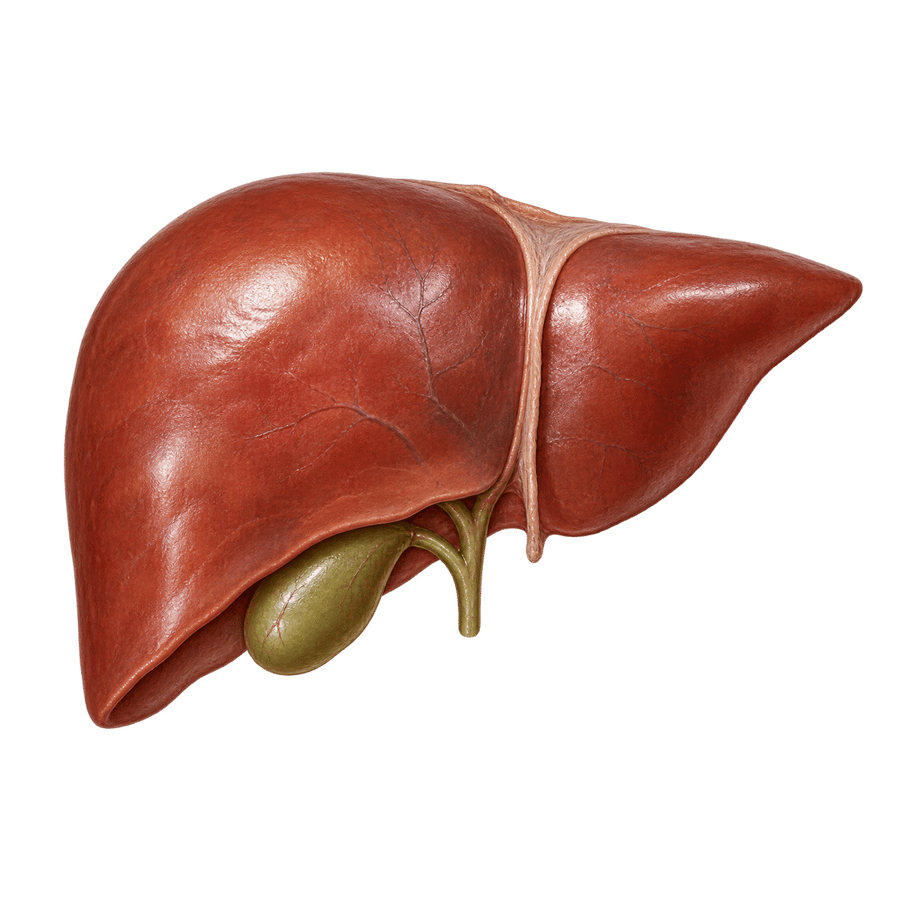
Your liver releases extra glucose in the early morning, before you wake, pushed by the hormones that get your body ready for the day. It happens in everyone. That’s why a morning number can sit higher than your bedtime one. It’s a problem only if a lab fasting test comes back at 100 mg/dL (5.6 mmol/L) or more.
What we’d do
Stop judging yourself by a morning number on a sensor or a meter. Get one lab fasting glucose and an A1c. If they’re normal, the morning rise is just your body waking up. If they aren’t, the things that move it are an earlier dinner, a full night’s sleep and, if you carry extra weight, losing some of it.
Why it looks wrong
You haven’t eaten all night, so it seems your blood sugar should be at its lowest when you wake. A number at 7 am that’s higher than the one at bedtime looks like something’s broken.
What your body does before dawn
In 1984, researchers measured the blood of 8 healthy volunteers every half hour from 1 am to 9 am. Cortisol, adrenaline and noradrenaline climbed from their overnight lows between 4:00 and 6:30 am. After 5:30 am, glucose rose, and so did insulin. The extra glucose came from the liver making more of it, and the researchers called it a dawn phenomenon in people without diabetes.
It’s like a house set to turn the heat on at 5 am, so it’s warm by the time you get up. In a healthy body, insulin rises to match the extra sugar and the rise stays small. When insulin works less well, the same morning push leaves more sugar behind, and that’s when a fasting number creeps over 100.
What else pushes it up
- A late dinner. In 20 healthy young adults, dinner at 10 pm instead of 6 pm gave higher glucose overnight, with the biggest effect in people who usually went to bed early.
- A short night. In 9 healthy adults, one night of 4 hours’ sleep made the liver keep making glucose when insulin told it to stop, and made the muscles take up less.
- The sensor itself. In 15 healthy adults, a FreeStyle Libre 2 ran about 16 mg/dL above fingertip blood when they were fasting, and more in some people than others. A morning 105 on a sensor could be anywhere from about 78 to 100 by fingertip.
When it’s a real problem
A lab fasting glucose of 100 to 125 is the prediabetes range and 126 or more is the diabetes range (American Diabetes Association, 2026). One result isn’t a diagnosis, so repeat it with an A1c. A 100 on your arm is a reason to book that lab test.
Blood pressure does something similar, pushed by the same early-morning hormones, and bloodpressure.guide explains why blood pressure is high in the morning. To see what your sensor’s morning number would likely be at your fingertip, try is my sensor running high?
5 sources
- Bolli GB and others, Demonstration of a dawn phenomenon in normal human volunteers, Diabetes, 1984pubmed.ncbi.nlm.nih.gov
- Gu C and others, Metabolic effects of late dinner in healthy volunteers: a randomized crossover clinical trial, Journal of Clinical Endocrinology and Metabolism, 2020pmc.ncbi.nlm.nih.gov
- Donga E and others, A single night of partial sleep deprivation induces insulin resistance in multiple metabolic pathways in healthy subjects, Journal of Clinical Endocrinology and Metabolism, 2010pubmed.ncbi.nlm.nih.gov
- Hutchins KM and others, Continuous glucose monitor overestimates glycemia, with the magnitude of bias varying by postprandial test and individual, American Journal of Clinical Nutrition, 2025pmc.ncbi.nlm.nih.gov
- American Diabetes Association, Standards of Care in Diabetes 2026, section 2, Diagnosis and Classification of Diabetespmc.ncbi.nlm.nih.gov