Why does blood sugar go up when you exercise?
On this page
In a hard effort, your liver pours glucose into your blood 7 to 8 times faster than at rest, while your muscles only use 3 to 4 times more. The supply beats the demand, so blood sugar rises during the effort and settles over the next hour or so. That’s normal. Easy exercise like a walk after a meal usually brings blood sugar down instead.
What we’d do
Keep the hard workouts. A sensor spike during intervals is your body fueling the effort, and it comes back down. Use easy walking after meals to lower your numbers, and hard training a few times a week to build muscles that take up sugar better over time.
Why it looks backwards
Everyone knows exercise lowers blood sugar, so it’s a shock to watch a sensor climb during a spin class or a set of sprints. People wonder if they’re doing it wrong, or if their sensor is broken. Neither is likely.
What happens in a hard effort
In efforts above about 80% of your maximum, glucose becomes the only fuel your muscles burn. Your body has to get it out of storage fast, from the muscle itself and from your liver. Stress hormones like adrenaline surge, and they tell your liver to release glucose 7 to 8 times faster than at rest. Your muscles use 3 to 4 times more. The liver overshoots, and blood sugar goes up.
It’s like a pit crew that fills the tank faster than the car can burn it during a sprint. There’s extra fuel sloshing around for a bit afterward.
At exhaustion it climbs a little more, and insulin rises for 40 to 60 minutes after you stop to bring blood sugar back to where it started. These numbers come from a 2002 review of the lab studies on intense exercise.
At easier paces it works the other way. In moderate exercise after a meal, blood sugar tends to fall, because working muscles pull sugar in without waiting for insulin.
Why hard training still helps
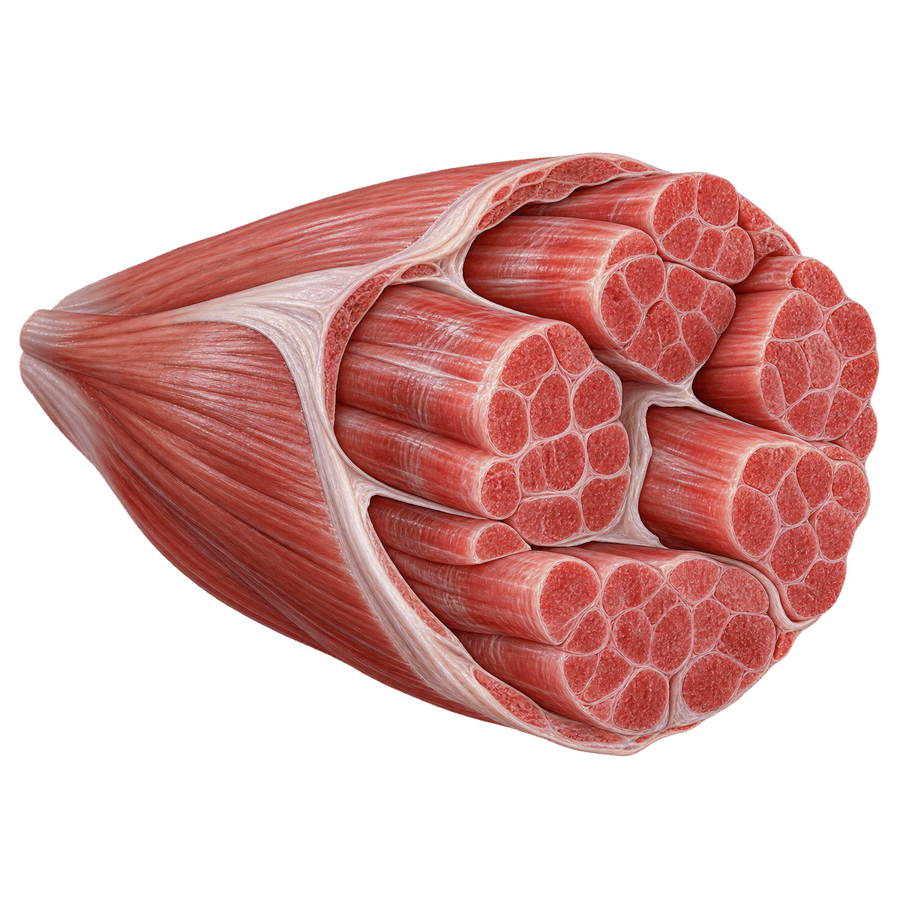
The spike is gone within an hour or so, and the muscle you build stays. Glucose gets into a muscle cell through a door called GLUT4. A contracting muscle opens those doors by its own signals, and training makes muscles build more of them. A 2013 review called exercise training the most potent stimulus for raising GLUT4 in muscle, which may be part of why insulin works better in trained muscle.
When a walk is the better tool
To lower the hill after a meal, easy beats hard, and sooner beats later. Across 8 trials with 116 people, exercise after a meal lowered the after-meal rise more than exercise before it or no exercise, and the sooner after eating the better. The authors concluded that walking does the most good when it starts as soon as possible after the meal.
If you take insulin or a sulfonylurea, exercise can drop your blood sugar too low, especially close to bedtime, so plan your workouts with your prescriber. The rest of the story is in why moving your muscles lowers it, and does walking after eating lower blood sugar? has the 10-minute walk.
4 sources
- Marliss EB and Vranic M, Intense exercise has unique effects on both insulin release and its roles in glucoregulation: implications for diabetes, Diabetes, 2002pubmed.ncbi.nlm.nih.gov
- Richter EA and Hargreaves M, Exercise, GLUT4, and skeletal muscle glucose uptake, Physiological Reviews, 2013pubmed.ncbi.nlm.nih.gov
- Engeroff T, Groneberg DA and Wilke J, After dinner rest a while, after supper walk a mile? Sports Medicine, 2023pubmed.ncbi.nlm.nih.gov
- CDC, Low blood sugar (hypoglycemia)cdc.gov